Woking Borough Council rules on garden waste and rubbish: a practical guide for homeowners, landlords and businesses
If you are trying to make sense of Woking Borough Council rules on garden waste and rubbish, you are probably in one of those annoying in-between moments: the hedge has been cut back, the bins are full, and you are wondering what goes where without causing a mess, a fine, or a very awkward conversation with the neighbours. Fair enough. Waste rules can feel fiddly until you break them down into simple steps.
This guide explains the everyday reality of dealing with garden waste, mixed rubbish, bulky items and disposal decisions in Woking. It is written for people who want a clear answer, not a lecture. You will find out what usually counts as garden waste, how collection and disposal decisions are typically handled, what to avoid, and when it makes more sense to use a professional clearance service such as garden clearance in Woking or broader waste removal support.
One thing worth saying straight away: council rules and service details can change, and some services depend on property type, bin capacity, collection schedule or what you are putting out. So think of this as a practical guide to the process and the common standards, rather than a substitute for checking the latest local instructions. That said, once you know the basics, it becomes much easier to stay compliant and avoid unnecessary hassle.
Table of Contents
- Why Woking Borough Council rules on garden waste and rubbish matter
- How Woking Borough Council rules on garden waste and rubbish works
- Key benefits and practical advantages
- Who this is for and when it makes sense
- Step-by-step guidance
- Expert tips for better results
- Common mistakes to avoid
- Tools, resources and recommendations
- Law, compliance, standards, or best practice
- Options, methods, or comparison table
- Case study or real-world example
- Practical checklist
- Conclusion
- Frequently asked questions
Why Woking Borough Council rules on garden waste and rubbish matter
At first glance, garden waste feels harmless. Grass cuttings, weeds, branches, a few broken pots. Nothing dramatic. But councils have to manage a much bigger picture: contamination, missed collections, fly-tipping, blocked routes, overloaded bins and waste that ends up in the wrong stream. That is why Woking Borough Council rules on garden waste and rubbish matter so much in day-to-day life.
For residents, the rules are mainly about keeping waste in the right place, at the right time, in the right container. That sounds obvious, but a surprising number of issues come from small mistakes: mixing food waste with green waste, putting rubble into a garden waste bag, or leaving loose waste where it can blow around on a wet, windy morning. If you have ever heard the clatter of a bin lid at 6am on collection day, you will know how quickly a tidy garden can turn into a street-level nuisance.
It matters for property owners too. Landlords, letting agents and homeowners all have a responsibility to leave outdoor spaces safe and reasonably clear. If a tenant moves out with a shed full of old soil bags and rusted canes, you do not want to assume "someone will sort it out later". Later usually becomes more expensive.
There is also a very practical benefit: following the rules can save you from paying for the wrong disposal route. A little sorting now often means less cost, less stress and fewer trips to the tip. And honestly, less time spent staring at a pile of wet hedge clippings thinking, "Right... now what?"
Key takeaway: treat garden waste and rubbish as separate problems. The more carefully you sort materials before disposal, the easier it is to stay within council expectations and avoid avoidable charges or collection issues.
How Woking Borough Council rules on garden waste and rubbish works
In practical terms, the system usually comes down to three questions: what is the waste? how much of it is there? and which disposal route is appropriate? Garden waste is generally the organic material from outdoor maintenance, such as grass cuttings, leaves, weeds, prunings and small branches. Rubbish, on the other hand, covers general household waste, mixed refuse, packaging, broken items and anything that does not belong in a garden waste collection.
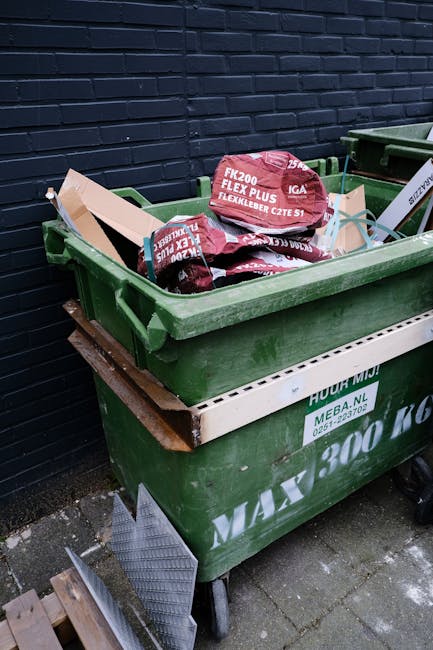
The important distinction is that not everything removed from a garden counts as garden waste. That is where people often get caught out. Soil, stones, turf in large quantities, timber, rubble, old fencing, black sacks of mixed debris and builders' materials are usually treated differently. A spadeful of soil after replanting is one thing; a trailer load of excavated spoil is another. Bit of a difference, really.
For routine household use, the council side of the equation is typically about approved containers, collection timing and what materials are accepted. If your waste is clean, sorted and suitable for collection, that is the easiest route. If it is bulky, mixed or heavy, a specialist clearance option may be more sensible. For example, a larger spring tidy-up may suit garden clearance services, while mixed household clutter from indoors and outdoors may sit better within a home clearance or even a full house clearance.
Where rubbish becomes more complicated is when it is mixed with garden material. A pile of cuttings can become non-compliant the moment you add plastic plant ties, broken tools, old compost bags, treated wood or remnants of DIY work. Once contamination enters the mix, collection options narrow. That is why sorting first is not just tidy behaviour, it is the cheapest form of waste management. Simple, but true.
What usually belongs in garden waste
- Grass cuttings and hedge trimmings
- Leaves, weeds and dead plants
- Small twigs and light prunings
- Flowers, stems and similar organic material
What usually does not belong in garden waste
- Soil, hardcore, bricks or rubble
- Plastic pots, trays or wrappers
- Old furniture or broken garden furniture
- Pressure-treated timber, fencing or shed materials
- Household rubbish, food waste or general junk
If you are dealing with a larger outdoor clear-up, it can also help to look at services such as garage clearance if the clutter has spread into storage areas, or loft clearance if the problem started with stored items and then spilled outside. It happens more often than people admit.
Key benefits and practical advantages
Getting the rules right is not only about avoiding problems. There are some real, tangible upsides.
- Cleaner collections: properly sorted waste is easier to collect and less likely to be rejected.
- Lower risk of contamination: keeping garden waste separate protects recycling and disposal streams.
- Less manual effort later: you will not have to re-sort a mixed pile on collection day.
- Better property presentation: tidy outdoor areas make a home look cared for, which matters for sales, lets and neighbour relations.
- Safer handling: separating sharp, heavy or awkward items reduces the chance of injury.
There is also a quieter benefit: peace of mind. If you know the waste is handled properly, you do not have that low-level worry that the council, the bin crew or a neighbour might object. You can just get on with your day. Lovely, isn't it?
For businesses and landlords, the practical advantages are even more obvious. A consistent waste routine keeps outdoor areas presentable, reduces complaints and makes it easier to plan clear-outs between tenancies, refurbishment works or seasonal maintenance. If your premises involve regular waste generation beyond the garden, it may be worth reviewing business waste removal alongside your domestic arrangements.
Who this is for and when it makes sense
This topic matters to a wider group than you might think. Yes, it is useful for homeowners mowing the lawn on a Sunday afternoon. But it also applies to landlords, letting agents, tenants, gardeners, small business owners, caretakers and anyone clearing outdoor spaces after a long spell of neglect.
You may need a clearer plan if you are:
- cutting back hedges after a season of growth
- clearing an overgrown garden before sale or rental
- emptying a property after a move
- disposing of mixed household and garden waste at the same time
- removing old outdoor furniture, broken sheds or fencing
- preparing for landscaping, building work or a renovation
It also makes sense to think carefully before a bank holiday weekend or a big weather change. After a windy spell, gardens often collect extra debris; after rain, wet waste gets heavier and harder to manage. You notice the difference in your arms, too. Wet bags are no joke.
If your task is not just garden tidying but a wider property clean-up, then flat clearance, furniture clearance or furniture disposal may also be relevant, especially where old items have been dragged outdoors before collection. That overlap is common in real life.
Step-by-step guidance
Here is a straightforward way to deal with garden waste and rubbish without making the process harder than it needs to be.
- Separate the materials first. Put green garden waste in one pile, general rubbish in another, and bulky or heavy items somewhere else.
- Check for contamination. Remove plastic, metal, soil clumps, stones, cables, broken glass and treated wood from the organic pile.
- Decide whether the waste is lightweight or heavy. Light green waste is much easier to collect than soil, rubble or damp clippings.
- Choose the right disposal route. Small household quantities may suit a council collection method; larger, mixed or awkward loads may need specialist removal.
- Prepare the waste properly. Tie branches neatly, bag loose material securely and avoid overfilling sacks.
- Keep access clear. Make sure collection crews can reach the waste safely without stepping over tools, bikes or plant pots.
- Dispose on time. Do not leave waste out for longer than necessary, especially in wet weather or where animals can scatter it.
If you are dealing with a bigger job, do not try to force everything into one method. For example, a pile of hedge trimmings may be suitable for garden clearance, while damaged decking, broken furniture and old storage boxes may need broader house clearance or targeted garage clearance. The best option is often the one that reduces handling twice.
A quick decision rule
If it is light, clean and organic, it probably belongs with garden waste. If it is mixed, bulky, contaminated or construction-related, it probably does not. That simple rule saves a lot of time.
Expert tips for better results
In our experience, the smoothest waste jobs are rarely the most dramatic ones. They are the ones where the prep was done quietly and properly beforehand.
1. Keep a "mixed waste" box ready. When you are clearing a garden, small rubbish appears from nowhere: cable ties, cracked planters, old labels, bits of twine. Put them in one box and sort once at the end rather than carrying them around the garden all afternoon.
2. Cut branches to manageable lengths. Long, awkward branches are difficult to stack and can lead to messy piles that take up more space than they should. Shorter lengths are easier to tie and safer to move.
3. Watch the weight of bags. A sack that seems fine when half-empty can become impossible when full of wet grass or soil. Better to use more bags than one heroic bag that splits on the path. Nobody wants that sound. The awful tearing sound.
4. Separate outdoor clutter before collection day. If your garden also holds broken chairs, old shelving, or leftover DIY material, isolate them early. That makes specialist clearance faster and can prevent confusion on site.
5. Plan for damp weather. Wet green waste weighs more and smells stronger. It is also harder to lift. If the forecast is poor, a slightly earlier collection or a covered staging area can make a big difference.
6. Think about the end use. If you are doing a landscaping refresh, you may want a dedicated builders waste clearance option for the non-organic leftovers from the project. It is a much better fit than trying to bundle everything together and hoping for the best.
Small details matter. A neat stack, a clear path and one extra pass to remove contamination can turn a stressful clear-up into a fairly ordinary task. And ordinary is good here.
Common mistakes to avoid
Most issues around Woking Borough Council rules on garden waste and rubbish come from the same few mistakes. Once you know them, they are easy enough to avoid.
- Mixing rubbish with garden waste: one plastic sack of general junk can change how the whole load is treated.
- Putting soil and rubble into green waste: this is one of the most common misunderstandings.
- Overfilling bags or bins: heavy, overstuffed containers are harder to collect and easier to split.
- Leaving waste loose in public view: it can attract complaints, blow away or look like fly-tipping.
- Ignoring bulky items: broken garden furniture, sheds or fencing need a different disposal route.
- Assuming all outdoor waste is the same: grass cuttings and hard landscaping debris are not treated the same way.
A subtle mistake, but a costly one, is underestimating how fast "just a little pile" becomes a serious pile. A few trimmings become three sacks, then the old parasol gets added, then the cracked stepping stones, then a bag of odd rubbish from the shed. Before you know it, the job is no longer a bin-day issue. It is a clearance issue.
Another common problem is forgetting that outdoor spaces can hide mixed waste from different years. Old plant pots, fishing line, broken tools, bits of wire and ancient tarps often show up only when you start dragging things out. That is normal. Just plan for it.
Tools, resources and recommendations
You do not need specialist equipment to manage waste well, but a few simple tools help enormously:
- strong garden bags or rubble sacks for segregated waste
- gloves with a decent grip
- a garden fork or rake to separate organic waste from debris
- a wheelbarrow or sturdy tub for moving heavier material
- secateurs, loppers or a pruning saw for cutting branches down to size
- labels or separate staging areas for different waste types
For readers who want a more complete solution, it can help to think beyond the garden itself. If you are clearing out storage as well, loft clearance may be useful for the hidden overflow stuff, while furniture clearance is worth considering if broken outdoor seating or old indoor items have been moved outside temporarily.
From a practical point of view, the best recommendation is simple: do not wait until the pile is huge. Smaller, regular clearances are easier to manage, cheaper to sort and less physically exhausting. That is especially true if the waste includes damp leaves, thorny cuttings or awkward bulky pieces.
If you want more detail on how the business handles regulated handling, safety and responsible disposal, the pages on recycling and sustainability, health and safety policy and insurance and safety provide useful background. Those matters may sound dry on paper, but they are the difference between a tidy job and a messy one.
Law, compliance, standards, or best practice
For waste in the UK, the safest approach is to assume that you have a duty to prevent nuisance, keep waste under control and dispose of it through an appropriate route. In plain English, that means no fly-tipping, no unsafe storage, no mixing waste streams unnecessarily and no dumping materials where they should not be.
When people talk about compliance in this area, they usually mean a few common-sense standards:
- Duty of care: if you generate waste, you should take reasonable steps to ensure it is transferred and disposed of properly.
- Segregation: keep garden waste separate from general rubbish wherever possible.
- Safe presentation: waste should be bagged, stacked or contained so it does not cause a hazard.
- Suitable handling: heavy, sharp or contaminated items should not be treated like ordinary green waste.
That is the legal and practical backbone. The exact Woking Borough Council service rules may differ depending on the collection type, timing and accepted materials, so it is always wise to check the current local arrangements before putting waste out. To be fair, that advice applies almost everywhere in the country. Councils do update procedures.
Best practice also means being honest about the waste you have. If the load contains a mix of garden waste and rubbish, do not pretend it is all one category. That is where problems start. A clean split between materials is usually the easiest, safest and most cost-effective route.
Options, methods, or comparison table
Different waste situations call for different methods. The right choice depends on volume, weight, material type and how quickly you need the area cleared.
| Option | Best for | Strengths | Limitations |
|---|---|---|---|
| Council garden waste collection or approved bin use | Light, clean green waste in small to moderate quantities | Simple, familiar and suitable for routine garden maintenance | Not ideal for bulky, mixed or contaminated waste |
| Self-transport to a disposal facility | People with a vehicle and sorted waste | Flexible and useful for one-off clear-ups | Time-consuming and awkward for heavy or messy loads |
| Professional garden clearance | Overgrown gardens, larger volumes, mixed outdoor waste | Fast, less physical effort, good for bigger jobs | Usually better value when the pile is substantial |
| House or property clearance | Outdoor waste plus indoor clutter, furniture or stored items | Most efficient for mixed clear-outs | Can be more than you need for tiny jobs |
In reality, many people start out thinking they only need one method, then discover the job has several layers. A garden clearance can reveal a garage issue. A garage clearance can reveal an old furniture problem. It is all connected, inconveniently enough.
Case study or real-world example
Here is a realistic scenario. A homeowner in Woking has spent a weekend cutting back hedges, clearing a border and tidying the patio. At first, the waste looks manageable: a few sacks of green cuttings, some weeds, and a branch pile. But once the work begins, they find old plant pots, broken trellis, a cracked outdoor chair and a bag of general junk that had been hidden behind a shed.
At that point, the job changes. The green waste can still be handled separately, but the mixed rubbish needs a different route. Rather than trying to force everything into one collection, the sensible move is to split the materials, keep the organic waste together, and arrange a broader removal for the rest. If the property also has storage issues, the same visit might be expanded into a home clearance or even a more complete house clearance.
That is exactly how good waste management works in real life: not as a perfect theory, but as a series of sensible decisions made before the pile grows another foot higher. The owner ends up with a cleaner garden, less lifting and far less faffing around. Sensible, calm, done.
Practical checklist
Use this quick checklist before you put any garden waste or rubbish out for collection or arrange removal.
- Have I separated green waste from rubbish?
- Have I removed soil, rubble, stones and other non-organic materials?
- Are any items bulky, sharp, treated, or contaminated?
- Are bags or containers strong enough for the weight?
- Can the collection team safely access the waste?
- Do I need a specialist service for fencing, furniture or mixed debris?
- Have I checked whether the waste should go via a council route or a private clearance route?
- Is the area tidy enough to avoid windblown litter or complaints?
If you can tick most of those boxes, you are in good shape. If not, pause and sort first. That tiny delay usually saves much bigger headaches later.
Get a free quote today and see how much you can save.
Conclusion
Woking Borough Council rules on garden waste and rubbish are really about one simple principle: keep materials separate, use the right disposal route, and do not assume every outdoor mess can be handled the same way. Once you understand the split between garden waste, general rubbish and bulky items, everything gets easier.
For small seasonal tidy-ups, council collection arrangements and careful home sorting may be all you need. For bigger clear-outs, mixed waste or properties that have built up clutter over time, a professional clearance route can save hours of effort and reduce the risk of getting it wrong. Either way, the best results come from planning early and sorting properly.
And if today's job feels bigger than you expected, that is fine. It happens. Start with the first bag, not the whole garden. Small progress still counts, and usually more than people think.
Frequently Asked Questions
What counts as garden waste in Woking?
Garden waste usually means organic outdoor material such as grass cuttings, leaves, weeds, flowers, hedge trimmings and small prunings. Once you add soil, rubble, plastic, timber or general rubbish, it often stops being treated as simple garden waste.
Can I put soil in my garden waste bin?
Usually, soil is not treated the same way as green garden waste. Small accidental amounts may not be a problem, but larger quantities normally need a different disposal method. If in doubt, keep soil separate.
What should I do with broken fence panels or shed wood?
Broken fencing and shed materials are generally not garden waste in the normal sense. They are better handled as bulky waste, wood waste or part of a clearance job such as builders waste clearance or garden clearance, depending on what else is involved.
Can I mix household rubbish with garden clippings?
No, it is best not to. Mixed loads are more likely to be rejected or treated as general waste rather than garden waste. Keeping the streams separate is cleaner, safer and usually cheaper.
What happens if I leave waste out too early?
Leaving waste out too early can create an eyesore, attract animals, blow debris around and sometimes lead to complaints. It is better to present waste as close to collection time as possible.
Is professional garden clearance worth it?
It often is if the garden is overgrown, the pile is heavy, or the waste is mixed with items like broken furniture, fencing or junk from sheds. It saves time and avoids multiple trips or repeated sorting.
Do I need a specialist service for a large hedge cutback?
For a small hedge trim, maybe not. For a major cutback with thick branches and large volumes, a dedicated garden clearance service is usually more practical than trying to handle it all through standard household arrangements.
What is the difference between rubbish and garden waste?
Garden waste is organic material from outdoor maintenance. Rubbish is broader and includes general household waste, packaging, broken items and mixed refuse. The two are managed differently because they belong in different disposal streams.
Can I use a house clearance service for outdoor waste too?
Yes, if the outdoor waste is part of a larger property clear-out. For example, if the garden, garage and interior spaces all need work, a broader house clearance can be a sensible choice.
How do I stop garden waste bags from splitting?
Do not overfill them, avoid packing in wet material too tightly, and use bags that are strong enough for the job. Wet grass and soil are the usual culprits when bags fail.
Where can I find more information about the company's approach to waste handling?
The pages on recycling and sustainability, health and safety policy, insurance and safety, and terms and conditions give useful background on how waste is managed responsibly and what standards are followed.
What if I am not sure whether my waste is garden waste or rubbish?
If the load is mixed, heavy, contaminated or awkward, treat it as a clearance problem rather than assuming it fits a garden waste collection. That cautious approach usually prevents mistakes and extra costs.
When should I ask for help instead of doing it myself?
If the waste is too heavy, too much to fit in your bins, difficult to separate, or likely to take several trips, it is usually the right time to bring in help. There is no prize for doing every messy job the hard way.