Common problems with Woking flat rubbish disposal and solutions
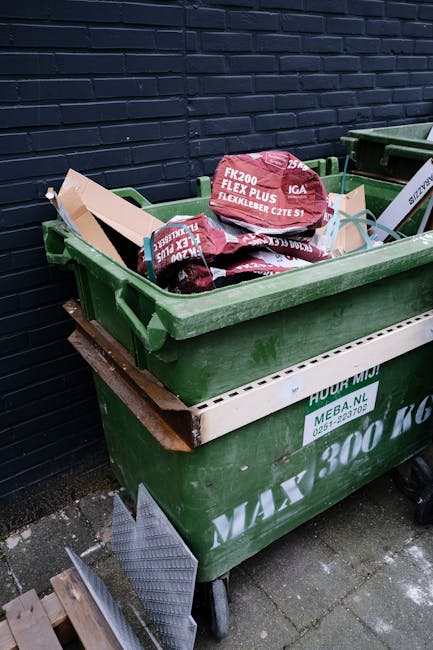
Flat rubbish disposal sounds simple until you are standing in a hallway with a broken wardrobe, a bag of old bedding, and nowhere sensible to put a bulky item without blocking the fire exit. In Woking, that mix of limited access, shared entrances, and awkward parking can turn a routine clear-out into a bit of a headache. This guide on Common problems with Woking flat rubbish disposal and solutions breaks down the issues people run into most often, then shows you how to deal with them in a calm, practical way. No jargon. No fluff. Just useful advice that helps you get the job done properly.
Whether you live in a studio, a top-floor flat, a converted Victorian building, or a modern block with tight lift access, the same themes tend to crop up: access, timing, storage, sorting, and disposal rules. The good news? Most of the problems are solvable if you plan ahead and choose the right approach. Let's get into it.
Why Common problems with Woking flat rubbish disposal and solutions Matters
Flat rubbish disposal matters because flats create a different set of challenges from houses. There is usually less storage, less manoeuvring space, and more chance that rubbish removal affects neighbours. One bulky item left in a communal corridor can become everyone's problem by lunchtime. To be fair, that is where a lot of friction starts.
In Woking, many flats also sit in busy residential pockets where access can be tight and parking can be limited. That means a good disposal plan does more than clear clutter. It reduces stress, avoids complaints, and helps you stay on the right side of building rules and sensible local practice. If you are clearing a property after a move, a tenancy ending, or a renovation, the cost of doing it badly can be time, money, and a very awkward chat with a neighbour.
There is also an environmental side. Sorting reuse, recycling, and general waste properly can keep usable items out of the skip-like pile that so often builds up in a corner. If sustainability matters to you, it should, then a cleaner disposal process is a practical win. You can read more about responsible handling on our recycling and sustainability page.
Expert summary: Most flat disposal problems are not really "waste" problems. They are planning, access, and communication problems. Fix those first, and the rest becomes much easier.
How Common problems with Woking flat rubbish disposal and solutions Works
At a practical level, flat rubbish disposal is about identifying what you need to remove, checking how it can leave the property, and matching that to the right method. That might mean a small load taken to a licensed disposal route, a single bulky collection, or a larger clearance for multiple rooms. The key is not to start by dragging everything into the hallway. Start by separating items into groups.
A typical process usually looks like this:
- Survey the flat to see what is there: furniture, bagged waste, broken appliances, mixed junk, or leftover refurbishment material.
- Check access such as stairs, lifts, width of doors, parking restrictions, and any building rules on moving items through communal areas.
- Separate items into reusable, recyclable, and disposal-only categories.
- Choose the right disposal method for the volume and type of rubbish.
- Move items safely, keeping walkways clear and minimising disturbance.
- Confirm responsible handling so items are taken to the appropriate channel rather than dumped somewhere unsuitable.
That sounds obvious, but it is where many problems begin. Someone sees a flat full of rubbish and assumes it is all one job. It rarely is. An old sofa, a few bags of clothes, and a broken desk all need slightly different handling. The better you separate things at the start, the less hassle you face later.
Key Benefits and Practical Advantages
When flat rubbish disposal is handled well, the benefits are immediate. You get your space back. You avoid blocking shared areas. You reduce the risk of accidental damage to walls, bannisters, or lifts. And, honestly, it just feels less chaotic. There is a reason people sigh with relief after a clear-out; the room looks lighter, and so do you.
- Less clutter in tight spaces means safer movement through halls and stairs.
- Fewer neighbour issues because rubbish is removed quickly and neatly.
- Better sorting improves reuse and recycling opportunities.
- Lower risk of delays when access and parking are planned in advance.
- More predictable costs because surprise complications are reduced.
For landlords, agents, and tenants, there is another practical benefit: faster turnaround. A flat that is cleared properly is easier to clean, inspect, and hand over. For homeowners, it can make moving day feel less like a rugby scrum in the hallway.
If you are comparing ways to deal with a bigger clear-out, our flat clearance service page is a useful place to understand what a more complete clearance can include.
Who This Is For and When It Makes Sense
This topic is relevant if you live in a flat, manage one, or are helping someone who does. The most common situations include moving out, downsizing, end-of-tenancy clearances, inherited flats, post-renovation waste, and general decluttering after years of stuff quietly breeding in cupboards. You know how it goes. One small drawer becomes three bags, then somehow a chair no one wants.
It also makes sense if you are a landlord, property manager, letting agent, or family member trying to support an older relative. In shared buildings, timing and communication become even more important because rubbish left in the wrong place can affect multiple households very quickly.
Here is a useful rule of thumb: if the items are easy to carry, bagged, and already sorted, a simple disposal approach may be enough. If there are bulky items, heavy furniture, mixed waste, or access restrictions, you will usually save time by choosing a more organised service route. If you are clearing other rooms too, our home clearance page may also be relevant.
Step-by-Step Guidance
If you want the cleanest result with the least stress, follow this practical sequence. It sounds basic, but it works.
1. Walk the flat before moving anything
Check every room, cupboard, loft space if there is one, and the balcony if applicable. Note items that are fragile, sharp, heavy, or likely to need two people. A quick walk-through can save a lot of backtracking. It is amazing how often people forget the storage cupboard behind the boiler, then find another pile of old boxes three days later.
2. Separate waste by type
Put reusable items aside, then recycling, then general rubbish. If you have broken furniture, keep it separate from bagged waste where possible. This helps with handling and reduces contamination. A half-broken chair mixed into soft rubbish is awkward; a fully separated chair is easier to assess and move.
3. Measure access points
Check door widths, stair bends, lift sizes, and the route from flat to vehicle. In older blocks, the problem is often not the item itself but the corner on the second floor landing. One wobbly wardrobe on a narrow staircase can become a small drama. Not ideal.
4. Plan timing around the building
Choose a sensible time window if you need to move items through shared areas. Quiet hours, school runs, and busy parking periods can all make the job harder. A few extra minutes of planning can save you from having to apologise to three neighbours and a dog walker.
5. Keep communal spaces clear
Do not pile rubbish in hallways, outside fire doors, or in front of lifts. That can create obvious safety issues and, depending on the building rules, real headaches. Stage items inside the flat where possible and move them out only when you are ready.
6. Use the right removal approach
If you are dealing with a small amount of waste, bagged collections may be enough. For larger mixed loads or bulky furniture, a dedicated clearance approach is often cleaner and faster. Our waste removal page is useful if you want a broader view of handling mixed rubbish responsibly.
7. Check the final sweep
Before you finish, do one last walk-through. Look behind doors, under beds, and inside cupboards. Tiny forgotten items tend to hide in plain sight, then show up the moment you think the job is done. Classic.
Expert Tips for Better Results
There are a few small habits that make flat rubbish disposal far smoother. They are not glamorous, but they do the job.
- Take photos before you start so you can see what changed and spot missed items later.
- Use stronger bags than you think you need for awkward or mixed waste. Thin bags split at the worst possible time.
- Strip down furniture where safe to do so; removing legs or shelves can make bulky items much easier to carry.
- Keep a separate box for recyclable bits like clean cardboard, metal odds and ends, or other easy-to-separate material.
- Protect floors and corners in communal areas if moving heavy items. A small bit of care avoids ugly scuffs.
- Agree the route in advance if you are working with a landlord, agent, or building manager.
One other tip: if there is a mix of furniture and small waste, do the bulky items first. Once the big pieces are out, the flat suddenly feels twice as manageable. The room breathes a bit. Sounds odd, but you will notice it.
If a job includes sofas, wardrobes, chairs, or beds, our furniture clearance and furniture disposal pages can help you think through the difference between moving items on and disposing of them correctly.
Common Mistakes to Avoid
Most flat rubbish disposal problems come from a handful of predictable mistakes. Avoid these and your day gets easier.
- Leaving everything to the last minute. That is how hallways fill up and tempers rise.
- Ignoring access issues. A route that looks fine in the morning can become impossible once a van is parked badly or the lift is busy.
- Mixing all waste together. This makes sorting harder and can waste useful items.
- Overloading bags or carrying too much at once. It slows things down and can cause injuries.
- Blocking shared areas. Fire exits and communal walkways are not storage space, even for a short while.
- Assuming every item can be treated the same. Furniture, bagged rubbish, and renovation debris often need different handling.
- Forgetting building rules. Some blocks are stricter than others, and it is usually safer to ask first.
The biggest mistake, though, is treating the disposal task as an afterthought. It pays to think about it early, even if the flat looks manageable at first glance. A clear flat in daylight can become a problem after dark when you are tired and carrying boxes down stairs. Happens all the time.
Tools, Resources and Recommendations
You do not need a van full of kit to handle flat rubbish disposal well, but a few simple tools help a lot.
- Heavy-duty sacks for mixed light waste
- Strong gloves for grip and basic hand protection
- Tape measure for checking large items against doorways and lifts
- Labels or marker pens for sorting piles clearly
- Protective coverings for floors and corners when moving bulky items
- Basic hand tools if items can be safely dismantled
For many people, the most helpful resource is not a tool at all but a clear service breakdown. If you want to understand how a larger property clearance is organised, have a look at our house clearance and loft clearance pages as well. They show how different parts of a property can be handled in a structured way.
For trust, it also helps to know who you are dealing with. Our about us page gives a little more background, and insurance and safety explains the kind of care that matters when items are being moved in shared buildings.
Law, Compliance, Standards, or Best Practice
This is one of those areas where common sense and responsible practice overlap. In the UK, household waste needs to be handled properly, and anyone arranging removal should think carefully about where waste ends up and who is moving it. You do not need to become a compliance expert overnight, but you should be cautious about using casual disposal methods that could create problems later.
For flat residents, the main practical points are straightforward:
- Do not leave rubbish where it could obstruct fire exits or shared access routes.
- Check the rules of your building if communal areas, lifts, or loading bays are involved.
- Separate items where possible so reusable and recyclable material is not needlessly thrown away.
- Make sure the disposal route is sensible for the type and volume of waste involved.
If your clear-out includes business-related items, you should take extra care with records, mixed waste, and disposal responsibility. Our business waste removal page is a useful reference point for that broader context.
Best practice is simple: keep things safe, keep them traceable, and avoid turning a shared building into a temporary dump site. That last bit, really, should go without saying. Yet here we are.
Options, Methods, or Comparison Table
Not every flat rubbish problem needs the same solution. Some are small and straightforward. Others are messy, bulky, or time-sensitive. Here is a practical comparison to help you choose the right route.
| Method | Best for | Pros | Watch out for |
|---|---|---|---|
| Bagged DIY disposal | Small volumes of light waste | Cheap, simple, quick for tidy jobs | Hard to manage with bulky items or stairs |
| Recycling and separate sorting | Mixed but organised waste | Supports reuse and reduces general waste | Takes more time and space |
| Bulky-item collection | Sofas, wardrobes, mattresses, large furniture | Good for heavy single items | May not suit multi-room clearances |
| Full flat clearance | End-of-tenancy, probate, major decluttering | Handles mixed loads and access issues better | Needs more planning and coordination |
If your flat has already become a bit of everything everywhere, a full clearance approach often saves time in the end. If it is just a handful of bags, keep it simple. No need to turn a small job into a three-stage project unless you enjoy hassle.
Case Study or Real-World Example
Picture a two-bedroom flat near central Woking after a tenant move-out. There is a bed frame in one room, a broken office chair, several bags of soft waste, an old TV unit, and some cardboard from flat-pack furniture. The resident initially thinks it is a one-trip job. But then they discover the lift is narrow, the stairwell has a tight turn, and the building wants shared areas kept clear during peak hours.
The practical solution is to split the job. Small bagged waste is grouped separately, the furniture is assessed for safe dismantling, and bulky items are removed first while access is easiest. Cardboard is flattened so it takes less space. The flat is checked twice: once before moving starts, and once at the end. No drama, no blocked corridor, and no surprise pile left behind near the entrance. That sort of thing saves everyone time, and a fair bit of irritation too.
This is a good example of why flat rubbish disposal is less about brute force and more about process. The less you improvise, the smoother the day tends to be.
Practical Checklist
Use this checklist before you start. It is simple, but it catches the usual problems.
- Have I checked every room, cupboard, and storage space?
- Have I separated reusable items, recycling, and general rubbish?
- Do I know whether any item needs two people to move?
- Have I measured doorways, stairs, lifts, and tight corners?
- Do I know the building's rules on moving items through shared areas?
- Have I protected floors and corners where needed?
- Are the bags strong enough for the contents?
- Have I planned when and how items will leave the flat?
- Have I kept fire exits and communal paths clear?
- Have I done a final sweep for missed items?
If you can tick most of those off, you are in good shape. If not, slow down a little and sort the basics first. It is far easier to pause for ten minutes than to spend an hour undoing avoidable mistakes.
Get a free quote today and see how much you can save.
Conclusion
The common problems with Woking flat rubbish disposal and solutions usually come down to the same handful of issues: access, sorting, timing, and shared-space responsibility. Once you understand those pressures, the job becomes much less intimidating. Start early, keep things organised, and treat the flat as part of a shared environment rather than a private storage space. That mindset alone solves a lot.
If your clearance is bigger than expected, or you simply want to avoid the hassle of lifting, sorting, and coordinating everything yourself, a structured service can make the whole process easier and tidier. Either way, the aim is the same: clear the flat properly, protect the building, and leave yourself with a lighter, calmer space. Honestly, that first empty corner can feel pretty good.
Frequently Asked Questions
What are the most common problems with flat rubbish disposal in Woking?
The most common problems are narrow access routes, limited parking, awkward stairs or lifts, shared communal spaces, and waste that has not been sorted properly. Bulky furniture is usually the biggest headache.
How do I dispose of rubbish from a flat without blocking the hallway?
Stage items inside the flat until you are ready to move them out, then remove them in smaller loads. Keep communal areas clear at all times. That is the safest and least annoying approach for everyone involved.
Can I leave rubbish in the communal bin area?
Only if the building rules allow it and the items are suitable for that space. Large items left in shared bin areas often cause problems, so it is better to check first rather than assume.
What should I do with bulky items like sofas or wardrobes?
Bulky items usually need a more organised removal method. If they can be dismantled safely, that can help. If not, a clearance approach is often the simplest solution.
Is it better to sort recycling before or after moving items out?
Before, if possible. Sorting early reduces mistakes and makes the actual removal quicker. It also helps keep recyclable material separate from general waste.
How do I know if a flat clearance is worth it?
If you have multiple rooms of mixed waste, heavy furniture, or access issues, a full clearance is often worth it. For smaller jobs, simple bagged disposal may be enough.
What if my flat is on an upper floor with no lift?
That changes the job quite a bit. You will need to think about item weight, staircase width, safe carrying, and timing. For many people, that is the point where professional help starts to make sense.
Are there safety risks with DIY flat rubbish disposal?
Yes. Heavy lifting, sharp edges, cramped stairs, and blocked exits are the main risks. A rushed clear-out can also damage walls, flooring, or shared areas if you are not careful.
How can I reduce the amount of rubbish before a flat clearance?
Sort items into keep, donate, recycle, and dispose piles. Be honest about what you actually use. Truth be told, a lot of clutter is just "maybe later" stuff that has stayed too long.
Does flat rubbish disposal have to include recycling?
It does not have to, but it should wherever practical. Recycling and reuse reduce the amount of material going to general waste and usually make the overall process cleaner.
What if I need help with a bigger property clear-out too?
If the flat is part of a wider move, inheritance, or downsizing job, a broader property clearance may be more suitable. Our house clearance and home clearance pages can help you think through the wider options.
How do I choose a reliable rubbish disposal provider?
Look for clear communication, sensible safety practices, transparent pricing, and an approach that respects shared access and responsible disposal. Our pricing and quotes page and contact us page are useful starting points if you want to ask questions before booking.