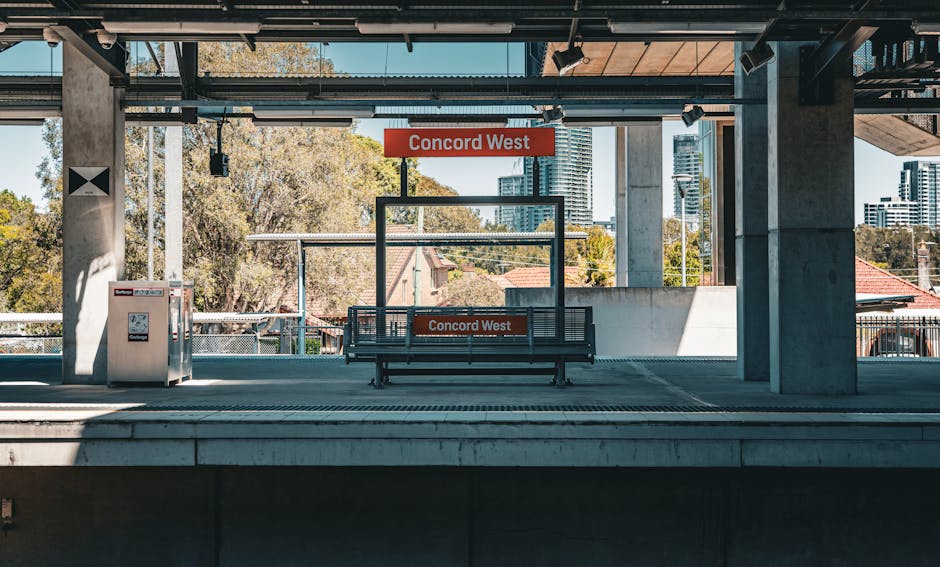
Brookwood station rubbish collection tips for commuters

If you commute through Brookwood, you already know the rhythm: quick steps across the platform, a coffee in hand, a bit of juggling with bags, and maybe a sandwich wrapper or two that somehow ends up in your pocket until later. Brookwood station rubbish collection tips for commuters is really about making that last part easier, tidier, and less stressful. Whether you are heading into work, changing trains, or just passing through on a busy day, a few sensible habits can save you mess, smells, and awkward last-minute dashes for a bin.
Let's face it, rubbish is one of those tiny things that becomes a bigger nuisance when the day is already full. This guide walks through what station-side waste handling means in practice, why it matters, how to plan around it, and what commuters can do to keep journeys clean without overthinking it. There is also a checklist, a comparison table, and some straightforward advice that works in real life, not just on paper.
Why Brookwood station rubbish collection tips for commuters Matters
Most commuters do not think much about waste until they are carrying it. A half-finished snack, a wet umbrella sleeve, a takeaway cup lid, yesterday's receipts, the little bits of packaging that seem to multiply in your coat pocket - all of it can make a train platform feel more cluttered than it needs to be. Around a station environment, rubbish control matters for three simple reasons: cleanliness, safety, and respect for shared space.
Clean surroundings make the whole journey feel calmer. That may sound obvious, but you notice it most on a busy morning when bins are full, the platform is cramped, and everyone is trying to move quickly. A tidy station also reduces the chance of litter being blown about, stepped on, or left where it can attract pests. And although commuter waste is often light, it still contributes to the general pressure on local collections if it is not disposed of properly.
There is also a practical side. People often assume they can "sort it later," but later frequently means carrying a soggy wrapper into the office, home, or car. Not ideal. A simple plan for station rubbish collection keeps that clutter under control before it becomes annoying. If you are already thinking about wider waste planning for a property, you might also find useful guidance on waste removal options when the problem is bigger than the occasional commute.
For Brookwood commuters, this matters even more when journeys overlap with school runs, shopping trips, or weekend travel. The more movement in a day, the more likely small items become messy items. A bit of forethought goes a long way.
How Brookwood station rubbish collection tips for commuters Works
There is no mystery to it. The system is basically about separating what you carry, what you bin immediately, and what you take home or dispose of elsewhere. In practical terms, commuters usually rely on a mix of public bins near station areas, their own reusable bags or containers, and sensible planning before and after the trip.
On a typical journey, rubbish collection for commuters works in layers:
- Before the commute: you avoid unnecessary waste by using reusable cups, lunch boxes, and bags where you can.
- During the commute: you keep a small dedicated pocket or bag for unavoidable waste like receipts, napkins, or wrappers.
- At the station: you place waste in the correct bin if one is available and not overflowing.
- After the journey: you sort recyclables and general waste properly at home or at work.
Simple, really. Not glamorous, but effective.
The main thing to understand is that station bins are for immediate, responsible disposal, not for domestic waste or overflow from a major clear-out. If you are dealing with bulk rubbish, old furniture, or office clutter, that is a different job entirely. In that case, a dedicated service such as house clearance or office clearance is a better fit than trying to manage it through a station routine.
For commuters, the "how" is mostly about habit. Once the habit is in place, it stops feeling like effort. You just do it automatically, like tapping your card or checking for your headphones. Small thing, big payoff.
Key Benefits and Practical Advantages
The best rubbish collection habits are the ones that quietly make life easier. You may not notice the benefit every single day, but after a few weeks it adds up.
- Less carrying around: your bag stays cleaner and lighter.
- Fewer smells and spills: especially useful if you travel with food or drinks.
- Better use of station bins: a bit of planning means less litter and less confusion.
- Lower risk of accidental mess: wrappers, lids, tissues, and packaging are less likely to end up loose in your pocket.
- A tidier journey overall: which, to be fair, makes a surprisingly big difference to your mood.
There is also a benefit people overlook: better decision-making. Once you start thinking ahead about what waste you produce, you naturally buy less unnecessary packaging, choose easier-to-carry items, and avoid those flimsy bags that split just as you get to the platform. We have all been there. Not a proud moment.
For households and regular travellers alike, good waste habits can support wider sustainability goals too. If you want to reduce what ends up as general waste, it can help to explore practical recycling habits at home as well. The page on recycling and sustainability is a useful starting point if you are looking at the bigger picture.
Who This Is For and When It Makes Sense
This advice is for anyone who passes through Brookwood station regularly and wants a cleaner, less awkward commute. That includes solo commuters, parents with children in tow, students, part-time workers, occasional rail users, and people carrying lunch or coffee most days.
It is especially helpful if you:
- eat or drink on the go;
- carry disposable packaging, such as takeaway containers or coffee cups;
- have a habit of stuffing wrappers into coat pockets "for later";
- travel with children who generate a surprising amount of snack-related waste;
- work near the station and want to keep your desk and bag tidy;
- often arrive home with random bits of litter because there was no sensible bin at the exact right moment.
It also makes sense when you are trying to be more considerate in shared spaces. A station is not a private bin store, after all. If you are moving household items or clearing out a property, different rules apply, and a service like furniture clearance or furniture disposal is a more suitable route.
Truth be told, a lot of people only start caring about waste once they realise how much time they spend managing it. That moment usually arrives on a wet Monday morning with a soggy bag and nowhere decent to put it.
Step-by-Step Guidance
If you want this to become second nature, keep the process simple. The goal is not perfection; it is control. Here is a practical way to do it.
- Start with a low-waste commute bag. Use a bag with one small internal pocket or pouch for rubbish. It does not need to be fancy. A neat pocket is enough.
- Pack reusable items first. A refillable bottle, reusable cup, lunch container, and cloth bag reduce single-use packaging before it even appears.
- Keep one "temporary waste" space. This is where wrappers, tissues, and receipts go until you reach a bin. Sounds dull, works well.
- Check bins as you arrive or leave. If the station bin is full, do not force waste in or leave it beside the bin. Hold onto it until you find a proper disposal point.
- Separate recyclables if practical. Clean cardboard, plastic bottles, and paper are easier to sort if you do not mix them with food residue.
- Dispose of food waste carefully. If you have leftovers, use a sealable container or bag. Nobody wants the smell lingering in a coat sleeve at 5 p.m.
- Empty your pocket waste at home or work. A quick daily reset stops clutter building up.
- Review what keeps causing waste. If you always end up with extra packaging, switch the snack, not just the bin routine.
A commuter once described their routine to us in almost comic terms: "I had three receipts, a tea bag, and a banana skin in my coat pocket before 8:30." Not unusual. The fix was not more pocket space. It was better habit design.
And if you are managing a larger volume of waste from home or a move, the logic is similar but the method changes. For bigger clear-outs, browsing home clearance can help you think in a more organised way.
Expert Tips for Better Results
The best tips are usually the small ones. The kind you only appreciate once they save you from a messy day.
Use a dedicated "commute waste" pouch
This can be a zip pocket, a reusable snack bag, or even a folded paper envelope for dry items like receipts. The aim is containment. Once waste has a home, it is less likely to wander about your bag.
Choose packaging with the journey in mind
If you know you are going to be on the move, buy items with less loose packaging. A bag that opens and spills crumbs everywhere is basically a tiny daily problem generator.
Do a pocket check before boarding
A quick check for wrappers, tissues, and lids before you sit down saves you the awkward shuffle of trying to find somewhere to put them later.
Keep hand sanitiser nearby
This is not just for hygiene. It helps if you have been handling rubbish, food waste, or a sticky lid. A simple wipe-down changes the whole feel of your commute.
Plan around the busiest times
At peak times, bins may be fuller and platforms busier. If you already know this, you can decide in advance whether to carry waste a little longer. Little adjustments like that avoid hassle.
Think in terms of "carry less, sort more"
That is the sweet spot. The less loose waste you generate, the less you have to manage on the move.
There is a slightly boring but useful truth here: good waste habits are often just logistics. Not exciting, but they work. And if you are looking after a business or shared premises near the station, you may want to review business waste removal too, because commuter waste and workplace waste are not the same thing.
Common Mistakes to Avoid
Most waste problems on a commute come from a few repeat behaviours. Fortunately, they are easy to fix once you spot them.
- Leaving waste loose in bags: it gets crushed, leaked on, or forgotten.
- Overfilling station bins: if a bin is already full, forcing more in creates mess rather than solving it.
- Mixing wet and dry waste: one damp napkin can ruin otherwise recyclable cardboard.
- Assuming "small" waste does not matter: lots of small items quickly become a noticeable nuisance.
- Carrying food scraps too long: smell and leakage are the main risk here.
- Using weak bags for heavier items: a split bag on a platform is nobody's idea of fun.
One more mistake, and it is a common one: treating station bins as a catch-all for everything you no longer want. They are not. If you have bulky waste, old garden material, or a broken item that cannot be safely carried, use the proper route instead. For garden waste, for example, a dedicated service like garden clearance makes far more sense than trying to improvise.
A good rule is simple: if it feels awkward to carry, it probably needs a proper disposal plan, not a last-minute bin hunt.
Tools, Resources and Recommendations
You do not need much to keep commuter rubbish under control, which is reassuring. A few basic items usually do the job.
| Item | Why it helps | Best use |
|---|---|---|
| Reusable tote or commuter bag | Keeps waste and clean items separate | Daily travel |
| Small zip pouch | Contains receipts, wrappers, and tissues | Short journeys and train commuting |
| Reusable bottle or cup | Reduces disposable packaging | Coffee runs and hydration |
| Sealable food container | Stops smells and spills | Lunches and snacks |
| Mini hand sanitiser | Useful after handling waste | Busy commutes |
| Compact reusable shopping bag | Prevents last-minute bag clutter | Unexpected purchases |
If your waste is not just commuter litter but accumulated clutter from a room, loft, or garage, a better tool is a proper clearance plan. Relevant options include loft clearance and garage clearance, both of which are more appropriate for larger, messier jobs.
For people who want to reduce waste at the source, materials choice matters too. Cardboard is usually simpler to handle than composite packaging, and sturdy containers are less likely to burst in transit. If you buy snacks regularly, a small swap in brand or packaging can save you far more annoyance than you might expect.
Law, Compliance, Standards, or Best Practice
Without turning this into a legal lecture, it is worth being clear about best practice. Littering and fly-tipping are not the same thing, but both create avoidable problems. Commuter waste should be kept in your possession until you can place it in the correct bin or take it home for disposal. Leaving rubbish beside a bin, on a platform, or in a station corner is not good practice, even if it seems "only temporary."
For private individuals, the sensible standard is simple: do not leave waste where others have to deal with it. For businesses and landlords, the expectation is higher. Waste must be stored, handled, and collected responsibly, with due attention to health and safety. In practice, that means keeping bags secure, separating streams where possible, and using a reliable waste route rather than improvising.
If you are arranging collection or clearance work, it is also wise to understand the company's safety approach, insurance, and pricing transparency. Pages such as health and safety policy, insurance and safety, and pricing and quotes can help set expectations before you book anything.
Best practice, in plain English, means this: keep waste secure, keep it separate where possible, and keep it out of public spaces unless it belongs in the bin there. Simple, really.
Options, Methods, or Comparison Table
Different commuters manage rubbish in different ways. There is no single perfect method, but some are clearly better depending on your routine.
| Method | Pros | Cons | Best for |
|---|---|---|---|
| Carry waste to the next proper bin | Reliable, no rush, easy to control | Requires a little patience | Most daily commuters |
| Use station bins immediately | Convenient if bins are available | Depends on bin availability and space | Light, dry waste |
| Use a reusable waste pouch | Keeps bag clean, reduces spills | Needs emptying later | People with food packaging or receipts |
| Take all waste home | Best control over sorting | Not ideal for odorous items | Short commutes and low-volume waste |
If you are only carrying a bit of dry packaging, the reusable pouch method is probably the neatest. If you are dealing with something awkward, like leftover food or broken packaging, it may be better to hold onto it until you reach a proper disposal point. For larger waste streams - builders' rubbish, for example - a service like builders waste clearance is the sensible route.
For most commuters, the "carry and sort later" option wins on reliability. It is not glamorous, but it avoids rushing, which is where mistakes tend to happen.
Case Study or Real-World Example
A regular Brookwood commuter who travels several days a week had a familiar issue: breakfast waste was building up in the bag, especially on mornings when the train was busy and bins were hard to reach. Nothing dramatic. Just enough to become irritating. The fix was surprisingly ordinary.
They switched to a reusable cup, chose a less messy breakfast, and added a small zip pouch inside the commuter bag for receipts, wrappers, and tissues. On days with lunch, they used a sealable container rather than a flimsy takeaway tray. Within a week or two, the bag stayed cleaner, the commute felt easier, and there was no more frantic searching for a bin while juggling a coffee and phone.
The interesting bit? They did not change much. No grand system, no expensive kit, no elaborate routine. Just a few small choices that made rubbish easier to manage. That is usually how it goes. Small changes, repeated consistently, are where the real value sits.
It also showed the difference between commuter waste and general clutter. Once the smaller waste issue was under control, other jobs became clearer too. If you are dealing with a full room, a neglected loft, or leftover items after a move, broader services such as flat clearance can be a better fit than piecemeal disposal.
Practical Checklist
Use this quick checklist before and during your commute. It is simple, but useful.
- Do I have a reusable bag, bottle, or cup where practical?
- Have I packed any snack or drink waste in a way that will not leak?
- Do I have a small pocket or pouch for temporary rubbish?
- Have I checked whether my waste is dry, wet, recyclable, or food-related?
- Am I carrying anything bulky that should be disposed of elsewhere later?
- Will I need a bin before I reach my destination?
- Have I avoided overpacking single-use items that could be swapped out?
- Am I planning to empty my waste pouch at the end of the day?
- Have I kept hands free enough to deal with rubbish safely on the move?
- Have I left public areas clean and tidy behind me?
If you can tick most of those off, you are in good shape. If not, no drama. Just tweak the routine a little and try again tomorrow.
Quick expert takeaway: the best commuter rubbish routine is the one you can repeat without thinking. Keep waste contained, keep it light, and keep the station cleaner than you found it.
Conclusion
Brookwood station rubbish collection tips for commuters are ultimately about making everyday travel smoother. You do not need a complicated system. You need a few good habits, a sensible bag setup, and a willingness to carry waste a little farther when that is the right thing to do.
That approach helps your commute, helps shared spaces, and usually saves time in the long run. It also reduces the annoying little moments that chip away at a decent day - the wet wrapper, the full bin, the split bag, the coffee lid rolling under a seat. Not exactly life's biggest crisis, but still. Why make it harder than it needs to be?
If your rubbish issue is bigger than commuting waste, or you are dealing with a home, flat, office, or bulky items that need proper removal, the next sensible step is to look at the right clearance solution rather than forcing everything into one routine. Do the small things well, and the rest gets much easier.
Get a free quote today and see how much you can save.
And if all you change this week is one small habit, that is still progress. Sometimes that is plenty.
Frequently Asked Questions
What are the best Brookwood station rubbish collection tips for commuters?
The best tips are simple: use reusable items where possible, keep a small waste pouch in your bag, and only use station bins when they are available and not overflowing. The aim is to keep rubbish contained until you can dispose of it properly.
Can I leave rubbish beside a full bin at Brookwood station?
No, that is not a good idea. If a bin is full, keep hold of your waste until you find another proper disposal point. Leaving it beside the bin creates mess and shifts the problem onto someone else.
How do I manage food waste on the commute?
Use sealable containers or bags for anything wet, smelly, or messy. Dry wrappers and napkins are easier to carry, but leftover food should be contained properly to avoid leaks and odours.
Is it better to take commuter rubbish home?
Often, yes, especially for dry waste like receipts, wrappers, or paper items. If the waste is wet or likely to smell, it is better to hold onto it only until you reach a proper disposal point.
What should I do if I travel with children and lots of snack packaging?
Bring a small separate pouch or bag just for waste, and empty it as soon as you can after the journey. Children's snack waste can build up fast, so keeping it separate saves a lot of fuss.
How can I reduce rubbish before I even reach the station?
Choose reusable bottles, cups, and containers, and pick foods with less packaging where practical. A small change in what you pack often makes the commute much tidier.
Are station bins suitable for all types of waste?
No. Station bins are best for light, everyday commuter waste. They are not appropriate for bulky items, household clear-outs, or anything that would overflow or create a hazard.
What is the easiest way to keep my commuter bag clean?
Use a zip pouch or separate pocket for rubbish, and do a quick empty-out each evening. If waste stays loose inside the bag, it is more likely to leak, crumble, or get forgotten.
Do I need a special waste bag for commuting?
Not necessarily. A small reusable pouch, zip bag, or internal compartment is usually enough. The best system is the one you will actually use every day.
What if I have more rubbish than I can carry comfortably?
If the waste is more than ordinary commuter litter, it probably needs a different solution. For bulky household, office, or furniture-related waste, a clearance service is more appropriate than trying to manage it through your commute.
How do rubbish habits connect to recycling?
They connect closely. The cleaner and drier you keep waste items, the easier it is to separate recyclables from general rubbish later. A little care on the commute can make sorting at home much simpler.
Where can I learn more about larger waste removal needs?
If your issue goes beyond commuter rubbish, look at the available clearance and removal options for homes, offices, furniture, or garden waste. That gives you a proper route for bigger jobs instead of trying to improvise.