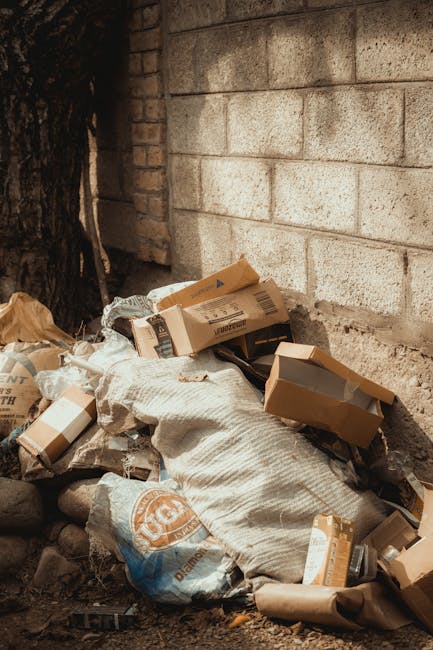
Avoid hidden rubbish removal charges in Woking

If you are trying to avoid hidden rubbish removal charges in Woking, you are probably doing what most sensible people do: checking the small print before anyone turns up with a van and a vaguely convincing smile. Good plan. Hidden extras can creep into a quote in all sorts of ways, from minimum-load fees to access surcharges, and they often only appear when the job is already half done. That is the awkward part, of course.
This guide breaks down how rubbish removal pricing should work, what to look out for, where surprise costs usually hide, and how to compare services without getting caught out. It also covers the practical side: what to ask, what to record, and how to make sure the final bill actually matches the quote. Truth be told, a bit of preparation saves a lot of hassle.
Key takeaway: the safest way to avoid hidden rubbish removal charges in Woking is to get a clear scope, confirm what is included, and make sure any extras are explained before collection day.
Why hidden rubbish removal charges matter
Rubbish removal is supposed to make life easier. You want the clutter gone, the space cleared, and the job finished without drama. But hidden charges can turn a straightforward clearance into something expensive and annoying very quickly. A quote that looks competitive at first glance may become less attractive once access fees, labour time, loading constraints, or waste type charges are added.
Why does this matter so much in Woking? Because local customers often need quick clearances for homes, flats, garages, lofts, gardens, or small business premises, and those jobs can vary a lot in size and complexity. A narrow staircase, a basement, awkward parking, or a mixed-load of furniture and general waste can change the price. If those details are not discussed early, you may end up paying more than you expected.
It is also a trust issue. Transparent pricing tells you a lot about how a company works. If someone is careful with their quote, explains exclusions, and answers questions without dodging them, that is usually a positive sign. If they are strangely vague, well... that is your cue to slow down.
For many customers, the main worry is not the waste removal itself, but the bill at the end. That is where clear pricing, written terms, and a decent quote process make all the difference. You can read more about how pricing is typically handled on the site's pricing and quotes page, and if you want to understand the company background first, the about us page is a useful place to start.
How rubbish removal pricing usually works
Most rubbish removal companies price jobs using a mix of volume, weight, labour, waste type, and access conditions. That sounds simple enough, but the details matter. One van load is not always one van load. A half-full van of heavy rubble is not the same as a half-full van of light household clutter, and the crew may need more time if items are on an upper floor or in a tight rear garden.
Here is the normal flow:
- You describe what needs removing, ideally with photos.
- The company estimates the load size and likely labour involved.
- They confirm what is included in the quote.
- They explain possible extras before the visit.
- They arrive, assess the job, and either proceed or adjust the price if the job is materially different from the description.
The most important part is the third and fourth steps. If exclusions are clear, you are in control. If they are not, the job can become slippery. A small phrase like "subject to final inspection" is not necessarily bad, but it should never be used as a blank cheque.
Common pricing elements include:
- Load size: how much space the rubbish takes up.
- Waste type: general waste, furniture, garden waste, builders' debris, or mixed items.
- Labour time: how long loading and clearance are likely to take.
- Access: stairs, long carries, parking distance, locked gates, or difficult entry.
- Disposal costs: the cost of taking items to a licensed facility.
To be fair, none of this is mysterious once it is explained properly. The problem is when those details are left until the end. That is where many hidden rubbish removal charges begin.
Key benefits of transparent pricing
Transparent pricing is not just about saving a few pounds, although that is obviously nice. It also makes the whole process calmer and more predictable. You know what is happening, why it is happening, and what your total cost is likely to be. That alone takes a lot of pressure off.
Some of the biggest benefits include:
- No surprise invoices: you can budget with more confidence.
- Better comparison: you can compare like with like, not apples with a mysteriously heavier fruit basket.
- Faster decisions: clear quotes make it easier to book the right service.
- Less stress on collection day: no awkward back-and-forth at the door.
- Improved trust: open pricing usually reflects an organised business.
There is also a practical side. If you know exactly what is included, you can prepare the property properly. That might mean moving cars, unlocking gates, separating reusable items, or clearing a path to the front door. Small things, but they can save time and money.
Customers often underestimate how much a neat setup helps. A driveway cleared in advance, for example, can remove the need for extra carrying time. A loft job where the loft hatch is accessible and items are grouped neatly will usually be simpler than one where bags are scattered and furniture is buried behind boxes from 2009. We have all seen that kind of loft, and yes, it is exactly as dusty as you imagine.
Who this is for and when it makes sense
This advice is for anyone arranging a clearance where price certainty matters. That includes homeowners, landlords, tenants moving out, business owners, contractors, and people dealing with inherited property contents. If you are comparing waste clearance quotes in Woking, this is for you.
It especially makes sense when:
- you have a mix of items rather than one simple load
- the property has difficult access
- you are clearing bulky furniture
- you need a flat, loft, garage, or whole-home clearance
- you want same-week or next-day collection
- you are trying to keep the job within a set budget
For example, a small flat clearance can look straightforward online, but the reality may include stairs, shared entrances, timed access, and limited parking. Likewise, garden waste can seem lightweight until you discover it is mixed with soil, old pots, and broken fence panels. Different jobs, different pricing pressures.
If your job is household-based, the pages for house clearance, home clearance, flat clearance, and loft clearance are useful background reading. For other item-specific needs, you may also find furniture clearance, furniture disposal, garage clearance, and garden clearance relevant.
Step-by-step guidance
Here is a practical process you can use to avoid hidden charges and keep control of the job from the start.
1. List exactly what needs removing
Be specific. Don't just say "junk" or "a bit of waste." Count the items, note whether they are bulky, and mention anything awkward such as broken glass, plasterboard, rubble, appliances, or damp items. If you can take photos, even better. A quick set of clear pictures often prevents a lot of confusion.
2. Explain access honestly
This is where many quotes go off track. Tell the company about stairs, steep driveways, parking distance, narrow hallways, locked entrances, or restricted collection windows. If the van cannot park close by, there may be extra labour time. Better to know early than argue later.
3. Ask what is included in the quote
Ask whether the price includes labour, loading, disposal, VAT if applicable, fuel, congestion or parking considerations, and any minimum charge. Ask what would make the price change. A reputable provider should explain this clearly. If they cannot, that is not a great sign.
4. Confirm the waste type
Mixed waste, heavy waste, electrical items, and builders' debris are often priced differently. This does not automatically mean more expensive, but it does mean you should not assume a general rubbish quote covers everything. If the job includes construction leftovers, the builders waste clearance page is relevant.
5. Check the terms before booking
The small print matters. Look for wording about minimum charges, cancellation, payment timing, and on-site reassessment. You can also review the company's terms and conditions and payment and security information before you commit.
6. Get the final price confirmed in writing
Do not rely on a verbal estimate alone. Ask for a written quote or message confirming the price and the main inclusions. If anything changes on the day, the reason should be explained before extra work starts. Simple, really.
7. Prepare the site
Clear access, separate items if requested, and make sure the crew can get to the load quickly. The smoother the job, the less room there is for added time or avoidable extras. A tidy start often leads to a tidy invoice.
Expert tips for better results
Here are a few habits that make a real difference when you want to avoid surprise rubbish removal fees in Woking.
- Use photos taken in daylight. Dark hallway photos are not very helpful, no matter how dramatic they look.
- Measure awkward items. Large wardrobes, sofas, mattresses, and appliances can change the load estimate.
- Group items by room. It helps the crew understand the scale and can speed up the quote process.
- Ask about access constraints early. Do not wait until arrival to mention the locked rear gate.
- Check whether loading is included. Some services quote for disposal but not for heavy lifting.
- Request a price cap if possible. Even if a final inspection is needed, a cap can protect you from runaway costs.
A small but useful trick: write down the name of the person who gave the quote and the time it was given. It sounds fussy. It is not. It just makes later conversations much easier if anything changes.
Also, if you are clearing an office or business site, there may be different handling rules, different access challenges, and more items that need special care. In that case, the office clearance and business waste removal pages may help you think through the job properly.
Common mistakes to avoid
Most hidden charges are not actually hidden in a sinister way. They are usually the result of assumptions. And assumptions, as you know, are a bit expensive.
- Assuming "all inclusive" means everything. It may exclude certain waste types or difficult access.
- Sending vague photos only. A single close-up of one box says very little about the whole job.
- Forgetting to mention stairs or parking issues. These often affect labour time.
- Not asking about VAT or disposal fees. You want to know whether the figure is final.
- Leaving mixed waste unseparated. If recyclable items, furniture, and rubble are all lumped together, it can complicate pricing.
- Booking in a rush without checking terms. A rushed booking can cost more than a careful one.
One of the most common headaches is the "we'll see on the day" approach. That might be reasonable in some jobs, but it should still come with clear boundaries. If a company is unable to tell you what might change the quote, you are not really getting a quote. You are getting a hope.
Tools, resources and recommendations
You do not need specialised software or a complicated checklist app to manage this well. A few simple tools will do the job.
- Phone camera: take wide-angle photos of the whole area, not just close-ups.
- Notes app or paper list: record item counts, access details, and the quote summary.
- Basic tape measure: useful for doors, furniture, and awkward spaces.
- Calendar reminder: note the agreed collection time and any access instructions.
For people who want to choose a company carefully, the strongest practical pages on the site are the ones that explain how the business works and how pricing is handled. The pricing and quotes page is especially relevant, while the recycling and sustainability page helps you understand how waste is handled after collection. If safety matters for your job, the health and safety policy and insurance and safety information are worth reviewing too.
And if you simply want to speak to someone directly before booking, the contact us page is the obvious next step.
Law, compliance and best practice
When rubbish is removed, it is not just a question of convenience. In the UK, waste has to be handled responsibly, and reputable operators should be able to explain how they manage it. You do not need to become a legal expert, but you do need to know the basics.
Good practice usually means:
- using a company that is clear about where waste goes
- separating reusable or recyclable materials where possible
- being cautious with items that may need special handling
- keeping records of what was agreed and what was taken
- making sure payment and refund terms are understandable
For commercial clients, the standard should be even higher. Businesses often need clearer documentation, smoother scheduling, and better traceability. That is why transparency, insurance, and written terms matter so much. It is also why a neat, orderly process is usually a sign of professionalism rather than fussiness.
Best practice also means the customer is honest about the load. If you understate the amount or the type of waste, the quote may need to change. That is fair enough. The goal is not to trick the system; it is to get a fair price for the actual job.
Options and comparison
Not every clearance needs the same approach. Sometimes the cheapest option on paper is not the best value once extra labour or delays are added. Here is a simple comparison to help you think it through.
| Option | Best for | Possible drawback | Price clarity |
|---|---|---|---|
| Fixed-price quote | Clear, well-described jobs | May need adjustment if details were incomplete | Usually strongest |
| Estimate subject to inspection | Jobs where size is uncertain | Final price may change on arrival | Moderate |
| Load-based pricing | Mixed or variable volumes | Can be harder to compare between firms | Depends on how it is explained |
| Hourly labour plus disposal | Unusual or highly variable jobs | Risk of the clock running longer than expected | Often weaker unless capped |
In many cases, a fixed-price quote is the easiest way to avoid hidden rubbish removal charges in Woking, provided the job has been described properly. If the job is messy or uncertain, a site inspection can still work well, but only if the company explains the basis of any change before work starts.
Case study example
A homeowner in Woking booked a clearance for a garage that had slowly filled with old shelving, broken garden tools, a worn sofa, and a few bags of mixed clutter. On paper, it looked like a simple one-visit job. But the garage was behind the house, the side passage was narrow, and parking at the front was limited on collection day.
Because the customer sent clear photos and mentioned the access issue in advance, the quote reflected the real work involved. There was no surprise when the crew arrived. The team knew where to park, how to reach the garage, and what type of load they were dealing with. The job finished smoothly, and the final amount matched the agreed price.
Now compare that with the more common awkward version: the customer says "just a few bits," the company assumes it is a small load, then discovers a full garage, blocked access, and heavy items. That is how disputes start. Not always because anyone is dishonest. Often just because nobody was specific enough early on.
That little bit of preparation made the difference. No drama, no last-minute haggling, just a straightforward removal on a damp Tuesday morning with the smell of old cardboard and cut grass hanging in the air. Very ordinary, which is exactly how these jobs should feel.
Practical checklist
Use this checklist before confirming any rubbish removal booking in Woking:
- Have I listed every item or waste type clearly?
- Have I shared photos of the full load and access route?
- Have I explained stairs, parking, gates, or distance from the property to the van?
- Do I know whether labour, disposal, and VAT are included?
- Have I checked whether there are minimum charges or extra fees?
- Have I asked what would trigger a price change?
- Do I have the quote in writing?
- Have I reviewed the terms and payment information?
- Have I separated items where that could help?
- Do I know who to contact if something is unclear on the day?
If you can tick all of those off, you are in a much better position. Not perfect, maybe, but solid. And solid is what you want here.
Conclusion
The easiest way to avoid hidden rubbish removal charges in Woking is simple: be specific, ask direct questions, and insist on a clear written quote. Most unpleasant surprises happen when the job details are fuzzy or the pricing terms are left unspoken. Once you fix that, the whole process becomes calmer, quicker, and far more predictable.
It helps to treat rubbish removal like any other service where clarity matters. Explain the load honestly, check the access, confirm what is included, and keep a record of the agreement. That small bit of discipline can save you money and a fair bit of irritation too.
If you are comparing providers, start with the company information pages, review the pricing guidance, and make sure the service you choose feels open and accountable. A good clearance should leave you with a clean space and a clear conscience. That is the real win.
Get a free quote today and see how much you can save.
Frequently Asked Questions
What counts as a hidden rubbish removal charge?
A hidden charge is any cost that was not clearly explained before booking, such as an access fee, labour surcharge, minimum-load charge, or disposal add-on. If it was not discussed up front, it should be questioned.
How do I compare rubbish removal quotes fairly?
Compare like with like. Check whether each quote includes labour, disposal, VAT, loading, access conditions, and any minimum fee. A cheaper number is not always a better deal if it leaves out important costs.
Should I send photos before getting a quote?
Yes, absolutely. Clear photos make it much easier to estimate load size, waste type, and access issues. Wide shots of the whole area are more useful than one close-up of a single item.
Why does access affect the price?
If the crew has to carry items a long way, use stairs, or work around parking restrictions, the job takes longer and may need more labour. That is why access details should always be shared before the visit.
Is a fixed-price rubbish removal quote better than an estimate?
Usually, yes, if the job has been described accurately. A fixed price gives better certainty. An estimate can still work, but you should understand what could change it and when.
What should I ask before booking rubbish removal in Woking?
Ask what is included, what is excluded, whether VAT is added, how access affects pricing, and whether the quote can change on arrival. Those questions are boring, but very useful.
Can mixed waste cost more than furniture alone?
It can. Mixed waste may require sorting, different disposal routes, or more handling time. Furniture-only loads are often easier to assess, though bulky items can still affect the quote.
How can I avoid disputes on collection day?
Keep the quote in writing, describe the job honestly, and flag anything unusual in advance. If there is a genuine change on the day, ask for the reason before agreeing to extra charges.
Does same-day rubbish removal cost more?
It sometimes can, especially if the booking is urgent or outside normal scheduling. The exact amount depends on the company, the job size, and how much notice you give.
What if the crew says the job is bigger than expected?
Ask them to explain why, and compare that with the information you originally gave. If the difference is real, the price may need to change. If not, you should challenge it politely but firmly.
Are recycling and disposal fees always included?
Not always. Some companies include them in the headline price, while others separate them out. That is why you should check the quote carefully and ask for the final amount before booking.
Where can I find more details about how the company works?
The most useful starting points are the pricing and quotes, terms and conditions, recycling and sustainability, and insurance and safety pages.
What is the simplest way to avoid hidden charges altogether?
Be precise about the job, get everything confirmed in writing, and do not book until you understand the full price. It sounds basic because it is basic. But that is often what works best.